

Short version: Loneliness as an immigrant often has nothing to do with how many people are around you — it’s about losing everyone who’s known you since before you became who you are now. If you want a real human conversation about it today, call 877-638-1122 — free, no script, no upsell.
I’m Sergio. I run How To Beat Loneliness — a free phone line for people who just need to talk. A caller last month told Jewel something that stuck with me: “Everyone here is nice. Nobody here has known me for more than six years.” That’s loneliness as an immigrant in one sentence — not an absence of people, but an absence of history. If you want to skip the article and just talk: 877-638-1122.
What the research says about loneliness as an immigrant
This isn’t a feeling researchers have ignored. A 2022 research brief from the Lerner Center for Public Health Promotion at Syracuse University, using Health and Retirement Study data on more than 14,700 U.S. adults 50 and older, found that immigrants report loneliness at noticeably higher rates than people born in the U.S. About 15% of non-immigrants reported loneliness, compared with 19% of people who immigrated as children, 20% of those who came in early adulthood, and 23% of those who arrived in mid- to late life. After adjusting for income, health, and marital status, the odds were still 22% higher for people who immigrated as young adults and 45% higher for those who arrived later in life.
It also doesn’t fade with time the way you might expect. A 2021 Statistics Canada analysis of the General Social Survey found that recent immigrants and long-term immigrants — people who’d lived in Canada for decades — reported almost identical loneliness scores, both meaningfully higher than Canadian-born respondents. Years in a new country don’t automatically rebuild what moving took away; the researchers found the gap held even after accounting for age, education, and income. That matches what Jewel hears on the phone: callers who’ve been here thirty years still describe the same specific absence as callers who landed six months ago — it’s not a phase that resolves itself.
Why distance hits differently when you’re the one who left
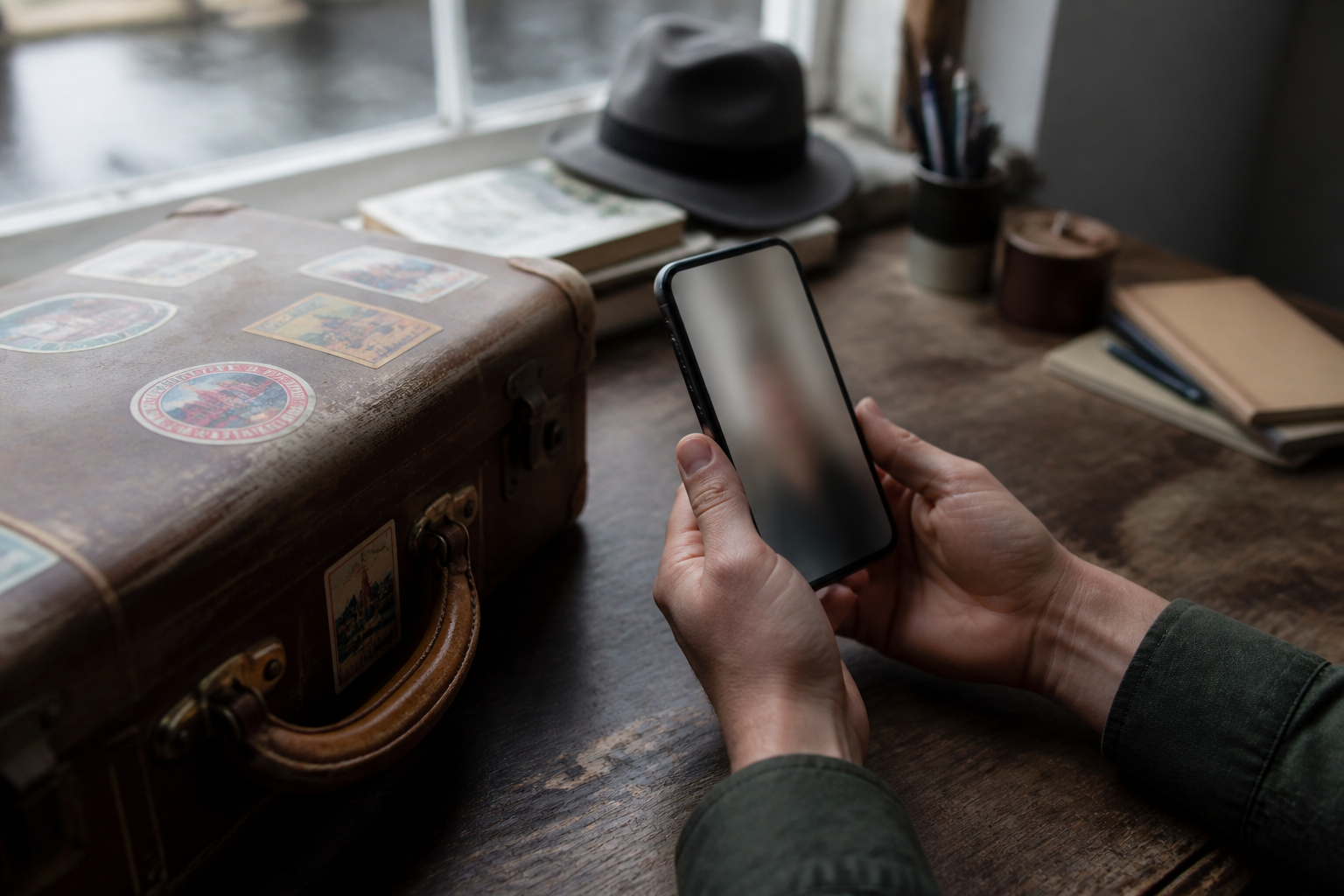
Loneliness after a move is its own kind of hard — we hear about it on the line all the time (see our piece on loneliness after moving). But immigration adds a layer most domestic moves don’t: there’s often no quick trip home. A flight that costs a week’s pay, a visa that controls when you can leave and whether you can come back, a time difference that turns “just call me” into a 2 a.m. decision for someone you love.
It also means losing your context, not just your contacts. The people who knew you as a kid, who remember your accent before it changed, who don’t need the backstory — those people are an ocean away, and new friendships, however warm, start from zero. You can be surrounded by kind coworkers and neighbors and still be the only person in the room who remembers who you used to be. That’s a different ache than simply “not knowing anyone,” and it doesn’t get fixed by meeting more people — it gets fixed by finding a few who share pieces of your actual history. It can also be confusing to explain to American-born friends, who sometimes hear “I’m lonely” and respond with “but you have us” — missing that the ache isn’t about them at all.
What actually helps — starting this week
None of this is about trying harder to “fit in.” It’s about rebuilding specific things the move took away:
- Find people who share your specific history — not just your language, but your region, your decade, your reason for leaving. A cultural association, a place of worship, or a local loneliness or community support group rebuilds the “you don’t need the backstory” feeling faster than any general social outing.
- Put the call home on a schedule, not just “when you miss them.” A standing Sunday video call survives busy weeks in a way that “I’ll call when I have time” doesn’t.
- Let new people in slowly, on purpose. A coworker who asks where you’re from and actually listens to the answer is worth following up with — coffee, not just small talk at the printer.
- Talk to someone human when the ache is just about being far away, not about a crisis. That’s what our free line is for — see how to find someone to talk to when you’re lonely for other ways to reach a real person today.
None of this requires fixing your English, finding the “right” number of friends, or feeling grateful you don’t. It just requires rebuilding a short list of people who get it — and that list can be shorter than you’d think. Even one person who shares your history changes the math.
Questions we hear about immigrant loneliness
Why do I feel lonely even though I have family or roommates here?
Because loneliness isn’t about headcount — it’s about whether anyone around you shares your history. You can live with five people and still be the only one who remembers your grandmother’s kitchen.
Does it get easier the longer I live here?
Not automatically. Research on both U.S. and Canadian immigrants found loneliness doesn’t reliably drop with years in the country — it takes deliberate rebuilding, not just time passing.
What if I immigrated as an adult, not a child?
The research above found the highest loneliness risk among people who arrived in mid- to late life — so if you came later and it feels harder, that’s backed by data, not a sign you’re doing something wrong.
Will this feeling ever fully go away?
It usually softens as you build a handful of real local relationships — it rarely disappears entirely, and that’s okay. Plenty of people carry both a full life here and a quiet homesickness for there.
Is there someone free I can talk to right now?
Yes — call 877-638-1122. It’s free, it’s a real person, and you don’t need to be in crisis to call.
A note from our call agent
I’m Jewel. I pick up this line, and some of my favorite calls are from people who start with “this might sound silly, but I don’t actually know anyone here.” It’s not silly. You’re grieving a version of your life where people already knew you — and that’s real, even when nothing bad has happened. I’d love to just talk with you about it.
— Jewel
How this article was written
Draft prepared by Sergio, using research collected from the sources listed below. Reviewed for accuracy by Jewel. AI tools assisted with drafting and image generation; every fact and citation was verified by a human before publication. Corrections welcome at corrections@howtobeatloneliness.com.
Sources
- Lerner Center for Public Health Promotion, Syracuse University — Research Brief #78: Older Immigrants and Loneliness (2022)
- Statistics Canada — Self-reported loneliness among recent immigrants, long-term immigrants, and Canadian-born individuals (2021)
— Sergio, How To Beat Loneliness