
I’m Jewel, and I answer the free line at How To Beat Loneliness. If you’ve come looking for how to cope with loneliness at night, I want to tell you two things right away: the dark hours really are harder, and you don’t have to white-knuckle through them by yourself. You can call us, free, at 877-638-1122 — and if the late evening is your hardest stretch every night, we run nightcap sessions for exactly that.
If you’re in crisis right now — call or text 988 (the US Suicide & Crisis Lifeline), available 24/7. This article isn’t a substitute for emergency mental-health support, and the middle of the night is exactly when reaching out matters most.
How to Cope With Loneliness at Night Starts With Understanding It
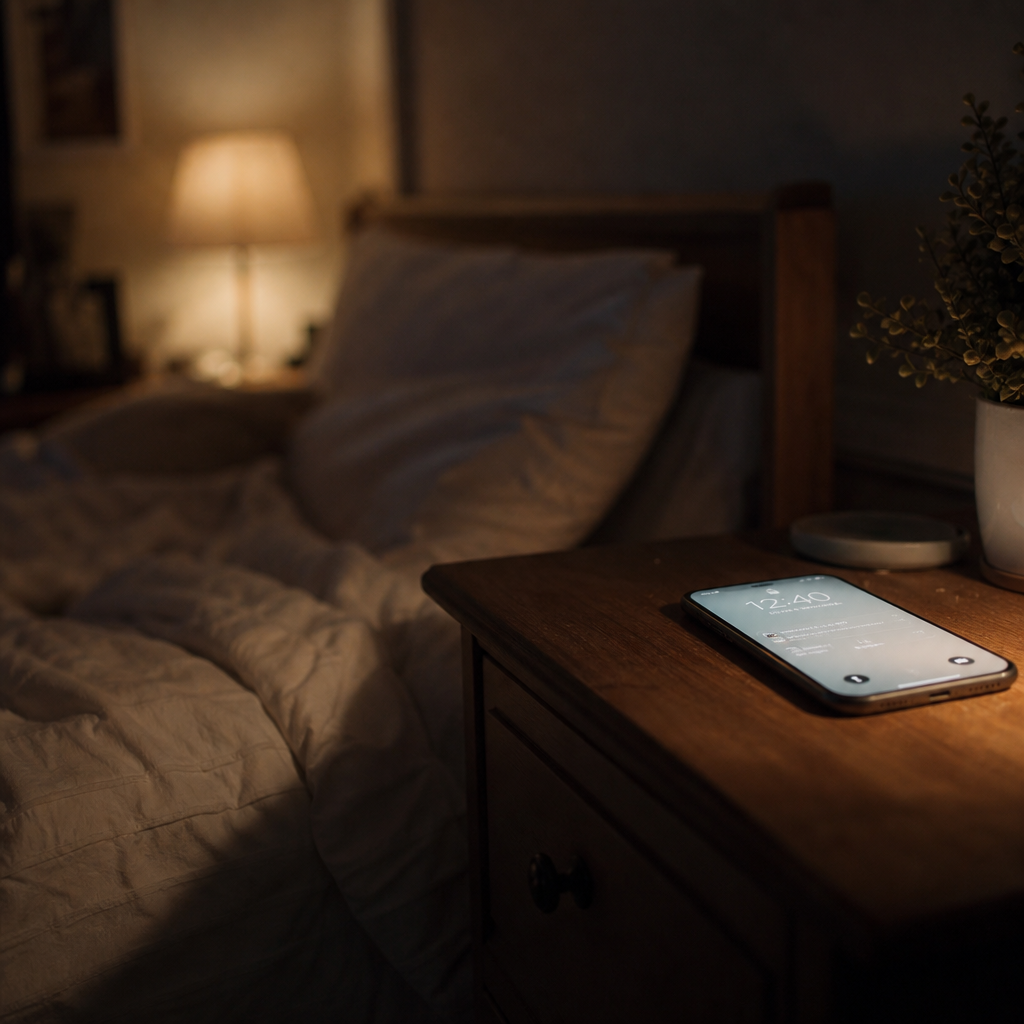
During the day, you have places to put your attention. Errands, work, a phone that rings, a neighbor in the driveway. Night takes all of that away and leaves you alone with your own thoughts — and those thoughts are rarely kind at 2 a.m.
Here’s the part that steadies the callers who feel ashamed for struggling after dark: about half of American adults report feeling lonely, according to the U.S. Surgeon General’s 2023 advisory on loneliness. You are in enormous company, even at the hour it feels like you’re the only person awake in the world.
There’s also a real loop running underneath it. Loneliness and bad sleep feed each other. In a study of more than 9,400 adults aged 50 and older, Duke researchers found loneliness was tightly linked to insomnia symptoms — trouble falling asleep, waking too early, never feeling rested.
And it runs both directions. Sleep scientists at UC Berkeley showed that losing sleep makes you pull away from people the next day, which deepens the loneliness, which wrecks the next night’s sleep. So if nights have felt heavier lately, you’re not imagining it and you’re not weak — you’re caught in a loop. The good news is loops can be interrupted.
Small Things That Actually Help After Dark
None of these are cures. They’re the small, real moves I’ve watched help people get through one night, and then the next one. Pick one. You don’t need the whole list.
1. Lower the stakes of the night
You don’t have to fix your whole life before morning. The only job tonight is to get to daylight gently. Take the pressure off — “I just have to get through these few hours” is a kinder goal than “I have to feel better.”
2. Put a human voice in the room
Silence makes loneliness louder. A talk-radio show, an old sitcom you’ve seen a hundred times, a podcast where people just chat — any of it tells your nervous system the world is still out there. It’s a small trick, but it works.
3. Build one tiny ritual
A cup of decaf tea, a lamp instead of the overhead light, the same chair by the same window. Rituals give the long hours a shape. When the night has edges, it stops feeling endless.
4. Write the thought down instead of spiraling on it
At night the mind grabs one worry and runs laps with it. Putting it on paper — even one sentence — gets it out of the loop and onto the page. You can tell yourself, honestly, “I’ll look at this in the morning.”
5. Have a number ready before you need it
The hardest moment is the one where you want to talk and don’t know who to call. Decide now, while it’s calm. Put 988 in your phone for crisis, and put our free line — 877-638-1122 — in there too, for the nights you just don’t want to be alone with it. If it’s easier to open up when the person on the other end doesn’t know you, that’s fine too — there are good ways to talk to someone anonymously, day or night.

When It’s Heavier Than Loneliness
Sometimes the nights are about more than missing company. If most evenings end in dread, if you’ve stopped looking forward to anything, or if you’ve had thoughts of not wanting to wake up — please hear me: that is not a character flaw. It’s a signal to bring in more help, the same way chest pain is a signal to call a doctor.
Call or text 988 anytime, talk to your doctor, or reach out to a therapist. None of that replaces what we do — it sits alongside it. You can have a real person to talk to and a clinician in your corner. You deserve both.
You Can Call Us — Yes, Even at Night
Our line is answered by a real person — never a bot, never a script. If you call and we’re not at the desk, leave your name and a good time to reach you, and a real human calls you back. If you want to know exactly how it goes, I wrote a whole walkthrough of what happens when you call a loneliness line.
There’s no fee for the phone line, no catch, and no upsell. We started this because too many people lie awake at night with no one to call. If that’s you tonight, that’s exactly who the number is for. You can also read more honest numbers in our piece on loneliness statistics by age.
Important
We are companions, not clinicians. The phone line at How To Beat Loneliness is staffed by real humans who listen — we don’t diagnose, prescribe, or treat. If you’re working through grief, depression, or a mental-health condition, please pair our conversation with a licensed therapist, your doctor, or the crisis resources above.
A Note From Our Call Agent
If you read this far at some odd hour, I’m glad you’re still here. The night feels permanent when you’re in it, but it isn’t — morning really does come, and it’s a little easier when someone knows you made it through. Call when you want to. We’d be glad to pick up.
— Jewel, How To Beat Loneliness
Frequently asked questions about loneliness at night
Why is loneliness worse at night?
After dark the distractions stop, the house goes quiet, and the day’s busyness can no longer crowd out the feeling — so loneliness gets loud, especially in the small hours.
How do I cope with loneliness at night?
Build a small wind-down ritual — soft light, warmth, a familiar voice or show, something for your hands — and line up someone to reach so the night is not faced alone.
Is it normal to feel loneliest at night?
Very. Mood and loneliness commonly dip after dark, and it does not mean something is wrong with you.
Who can I call when I am lonely at night?
How To Beat Loneliness answers free — call 877-638-1122 any hour. In a crisis, call or text 988 right away.
Related reading: feeling lonely at night — why it hits harder after dark
Sources
- U.S. Surgeon General’s Advisory: Our Epidemic of Loneliness and Isolation (2023)
- Duke University School of Medicine — Loneliness Linked to Insomnia Symptoms in Middle-Aged and Older Adults
- UC Berkeley News — Poor sleep triggers viral loneliness and social rejection
- Nature Communications — Sleep loss causes social withdrawal and loneliness